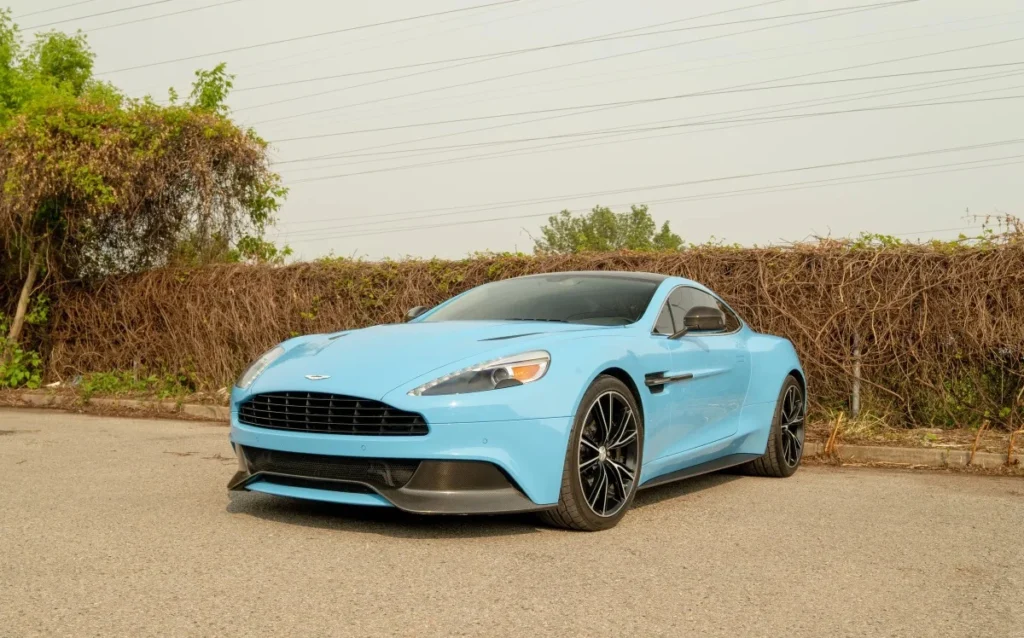
Buying supercars in the secondary market is a minefield.
There are things to consider and things to avoid.
The list is potentially very long, but without being too specific, let’s have a look at some of the things worth bearing in mind when buying a supercar.
Mileage and maintenance

Some people in some segments of the market tend to look for an odometer with a number on it that’s as close to zero as you can get.
But everything is relative.
For example, Mate Rimac, CEO of Bugatti-Rimac uses his Rimac Nevera all the time, and he believes everyone should because these are, after all, cars, and they’re meant to be driven.
High mileage per se isn’t a bad thing as long as it’s tied to the other word that begins with ‘M’, Maintenance.
Supercars need maintenance, regardless of whether they’re being driven or kept in storage.
So, whether the car has done 100 miles or 100,000, service history is the first and most important thing to look for.
Stock, stock, stock
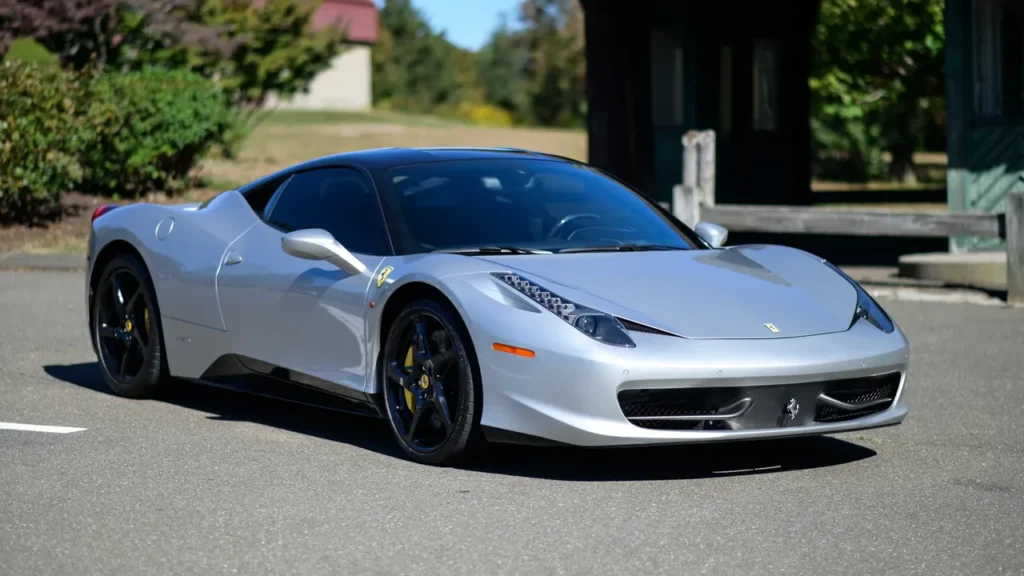
Aftermarket is often considered a bad word in this world.
Supercar owners and collectors generally want to stay away from aftermarket components and tend to look for cars in stock condition, and for good reason.
Aftermarket mods don’t automatically damage a car, but they inevitably tarnish its value.
And, in some cases, aftermarket mods enrage the manufacturer.
Ferrari famously hates it when customers mess with their cars, and this could potentially affect the buyer’s relationship with the brand.
Ferrari keeps it vague and politically correct when it comes to this sort of thing, but the company did admit, on more than one occasion, that it reserves the right to decide who gets to buy its limited-edition cars.
No-resale clause

Nearly every limited-edition supercar comes with a no-resale clause and, in some cases, the clause extends to ‘normal’ production cars as well.
The no-resale clause simply means the buyer can’t resell the car for a pre-determined period of time, usually a year or two.
This is because some cars cannot be bought in the open market unless and until the manufacturer approves the buyer as a customer, which means some supercars can easily be bought today and ‘flipped’ tomorrow for profit.
This is a clause that several manufacturers apply, including Ford with the GT (above).
Most collectors want a relationship with the manufacturer. They want to be able to buy future limited-edition models and that’s why they tend to respect the no-resale clause.